February 12, 2026
Extreme weather is the new normal – this is what it means for drainage maintenance
Prolonged rainfall this winter is a sign of a pattern of weather we must...
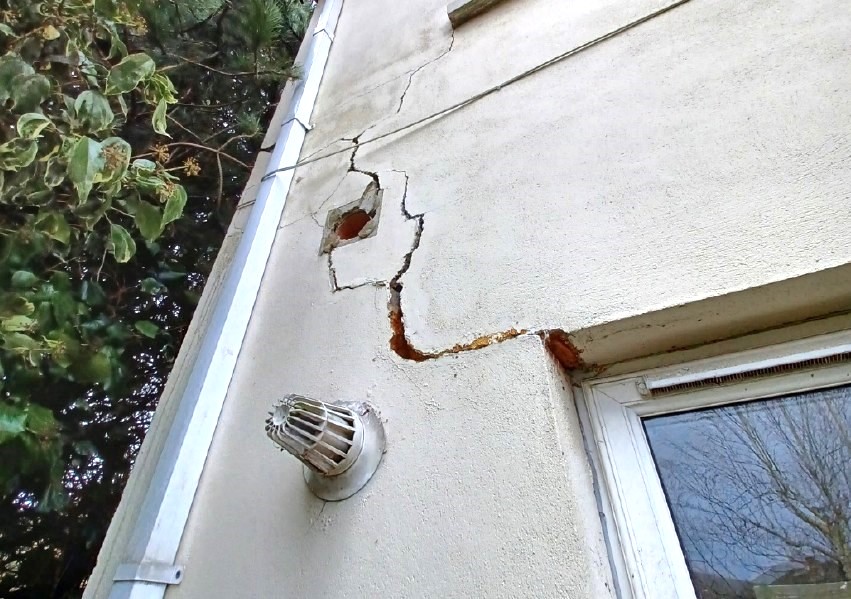
The UK’s extremely dry summer could still create elevated risks for property owners well into 2026, warns insurance claims specialist Catalyst Services UK.
Extremely dry and compacted soils, caused by prolonged drought, could increase surface water run-off and localised flooding during prolonged periods of rain, adding to property flooding risks.
The same dry conditions have also increased the risk of subsidence damage in some areas, through the shrinking of soils, which can leave building foundations less well supported.
Catalyst Managing Director Brad Jackson advises insurance providers and loss adjustor specialists to be aware of, and prepare for, these trends, for example in terms of claims handler training.
While property owners should check their policies to ensure they’re covered for the specific heightened risks.


Brad Jackson said: “There has been a spike in subsidence cases this autumn, with a general consensus that this amounts to a subsidence surge.
“Climate change is also predicted to extend the area of the UK at higher risk from subsidence – from the South East of England, where annual temperature and soil moisture change is greatest, to more areas in the north and midlands.”
Clay-rich and loamy soils associated with subsidence can also increase flood risks. As they dry, their structure changes to form a hard crust with fewer of the pores that usually hold rainwater.
This forms an impermeable layer that lowers the soil’s infiltration capacity. If the soil cannot absorb water fast enough, flooding can occur.
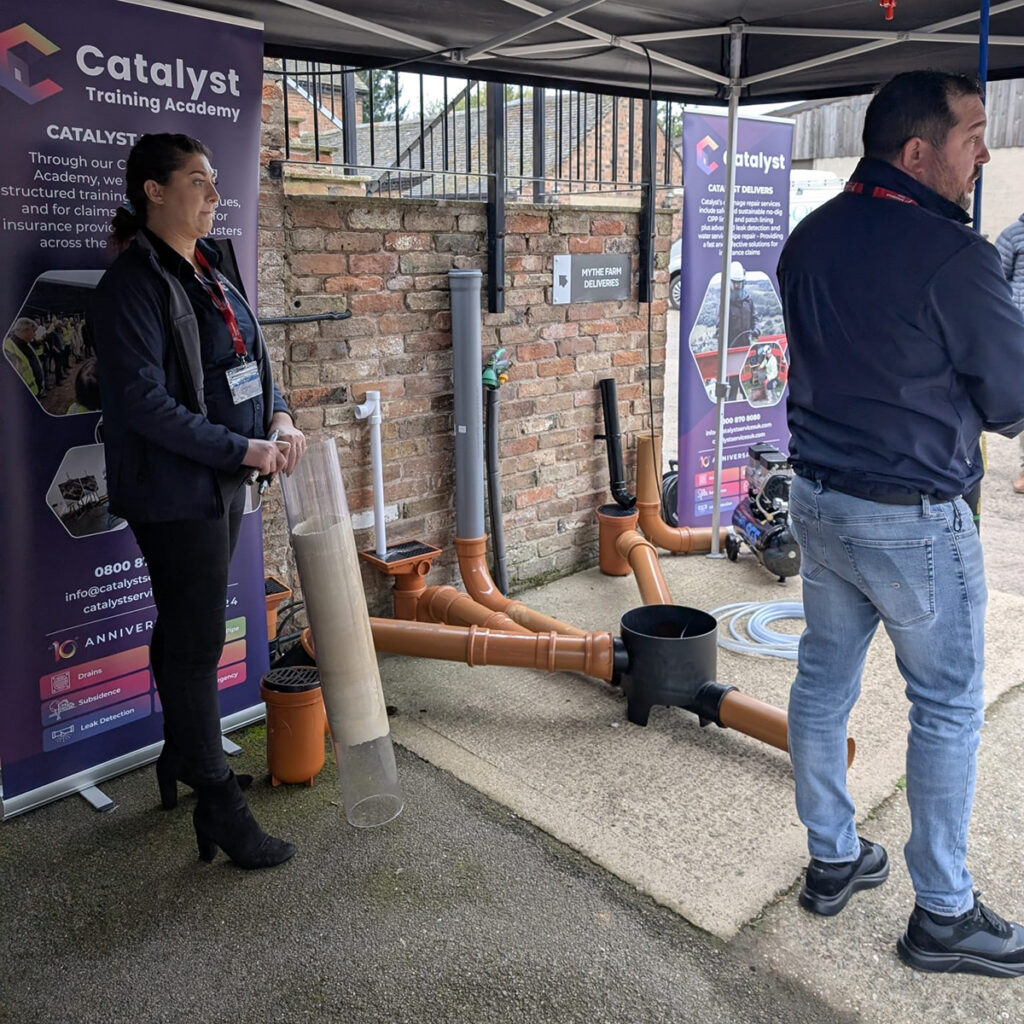

Technical experts and insurance professionals who are concerned about these trends met at the Subsidence Forum’s annual training day, held in Warwickshire in October (see picture above left).
Paul Duddle, the forum’s chairman and the operations director at Catalyst, was also a member of an expert panel at last month’s I Love Claims Property Claims Conference, which debated these issues (see picture above right).
He said: “Understanding subsidence risks, and how they develop, is critical to making informed responses, especially for the insurance industry.
“Over the coming months, property owners should look out for tell-tale signs, even if they haven’t experienced subsidence before, the most obvious being specific types of building cracks.
“Checking the extent of subsidence cover on your insurance policy is also an important step.”
The likelihood of surface water floods impacting properties this winter will depend on rainfall patterns in winter and spring of 2026. If rain replenishes moisture in soils, the threat will recede.
Rainfall in the UK was slightly higher than average in September, but lower in October, and significantly lower in some areas.
The same trend applies to subsidence. If rain steadily replaces lost moisture, the subsidence surge is likely to be shortened, explains Paul Duddle.
If it does not, the current surge could be extended. Also, if soil moisture does not recover over the winter, a second, even stronger, subsidence surge could occur later in 2026.
Catalyst delivers a comprehensive range of services to resolve claims for a growing number of insurance providers, brokers, and loss adjusters.
They include: drainage investigations and repairs (mains and off-mains), water supply pipe repairs and replacement, water leak detection, subsidence investigations, and environmental services.
Telephone: 0333 004 8008
Email: [email protected]
February 12, 2026
Extreme weather is the new normal – this is what it means for drainage maintenance
Prolonged rainfall this winter is a sign of a pattern of weather we must...
October 31, 2025
Progress on sewer awareness but behaviour tipping point not yet in reach
However, it also shows we are quite some way still from preventing activity that...