December 08, 2025
After the drought – subsidence and surface flooding risks could rise, warn Catalyst experts
The UK’s extremely dry summer could still create elevated risks for property owners well...
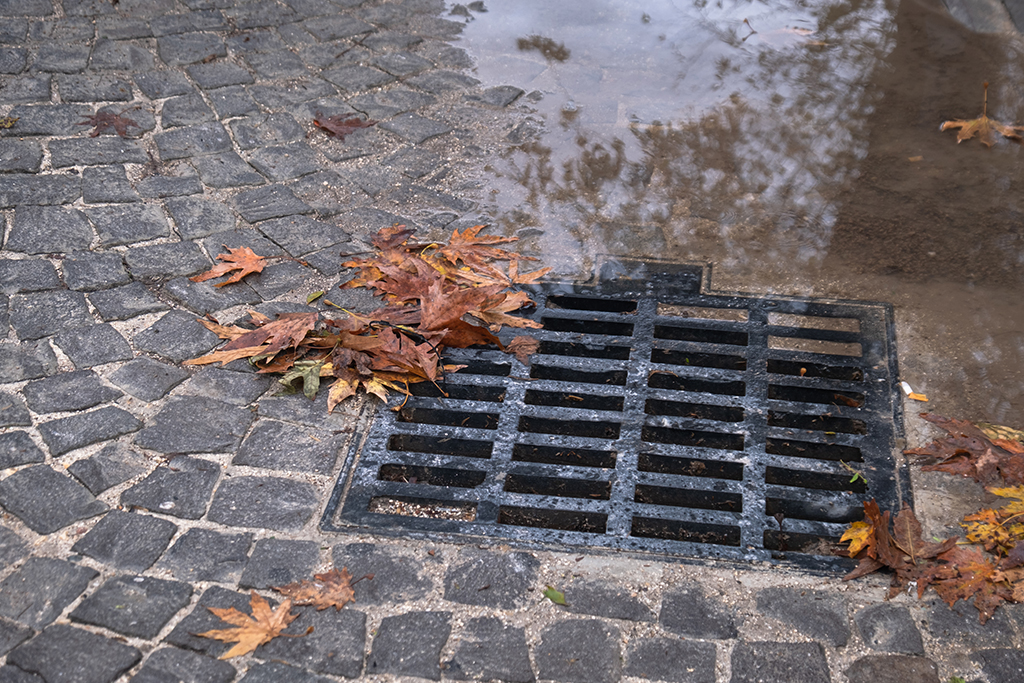
Prolonged rainfall this winter is a sign of a pattern of weather we must all learn to live with rather than deal with as an extreme event, scientists have warned.
This has important implications for the way property owners maintain their drainage systems to minimise flood risks, says Catalyst Services UK Managing Director Brad Jackson.
The constant conveyor belt of storms sweeping across the UK, most coming in off the Atlantic Ocean, is a clear indicator that weather is getting bigger and wetter.
The Met Office says storms are now 20% more intense than in past years. New 24-hour rainfall records were set at places across the UK in January 2026.
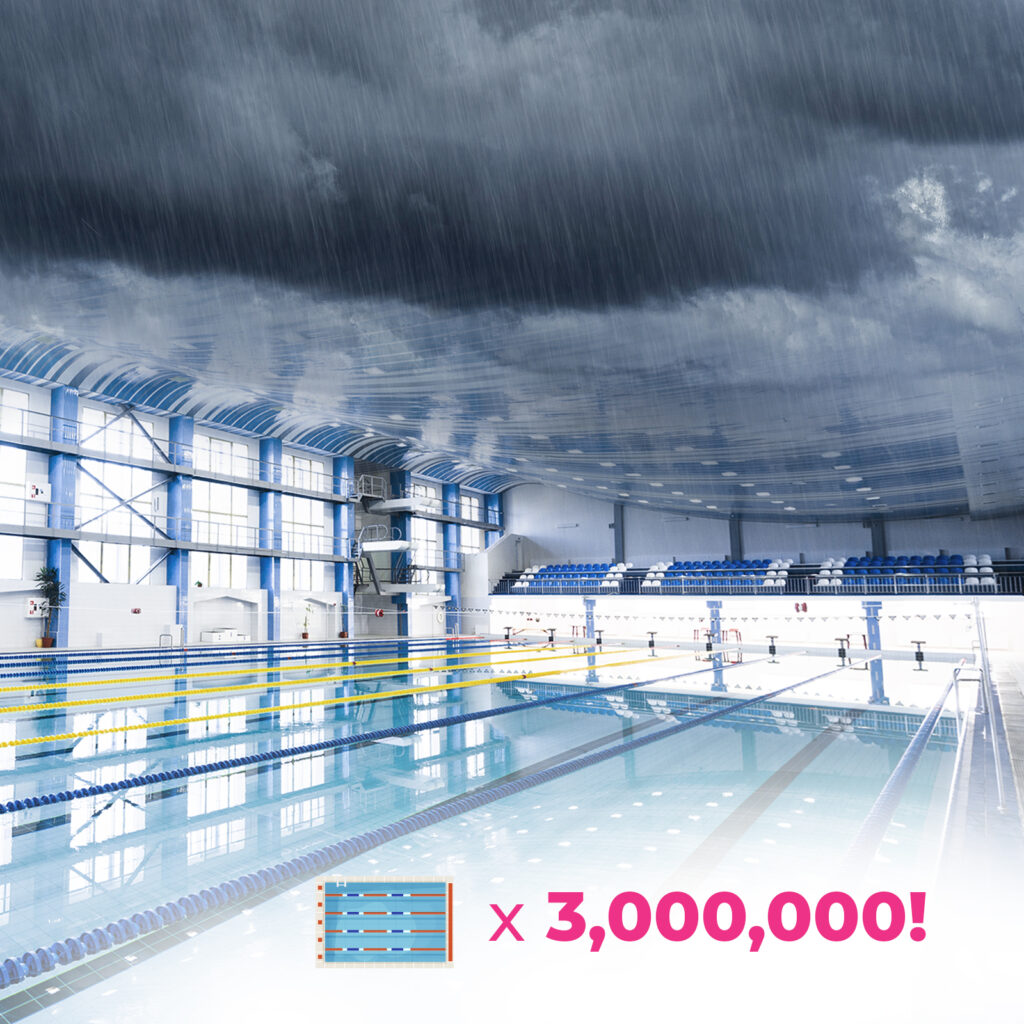
Professor Hayley Fowler, a climate expert at Newcastle University, told The Guardian Newspaper the extra water now falling as rain on the UK every year could fill three million Olympic-sized swimming pools.
It points to heavier, more prolonged rainfall being the new normal, not the exception, says Brad Jackson.
He adds: “We’re increasingly commissioned to support insurance claims customer whose drainage systems have been unable to cope with increased rainfall.
“Surface water flooding, caused when drains and sewers surcharge because they can’t hold the volume of rainwater created, is an increasingly serious component of overall flood risks.
“This is dramatically widening the areas and number of properties that can experience flooding.”
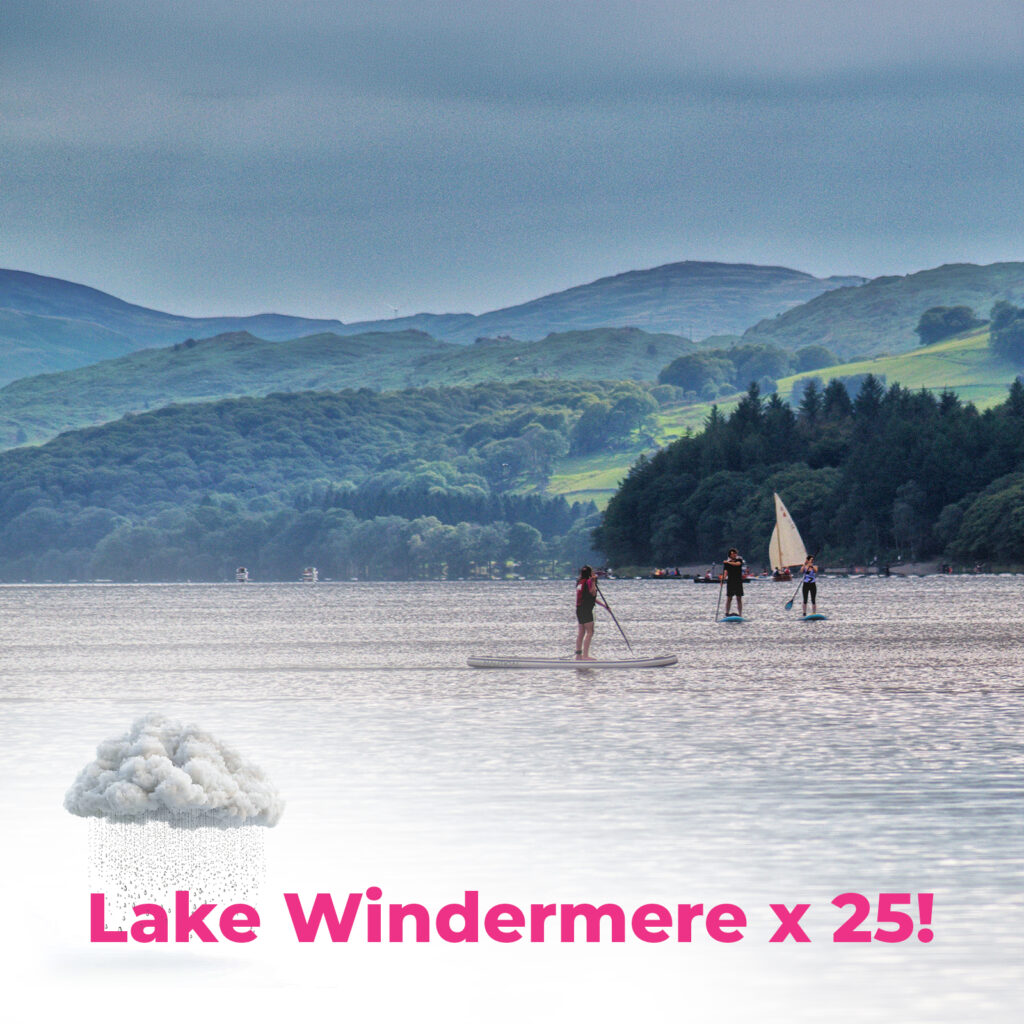
Scientists say climate change is causing enough rain to fill 3 million Olympic swimming pools to fall on the UK every year. That’s:
Drainage problems triggered by heavy rain can include:
It is increasingly vital for property owners to be sure their insurance policies provide them with the type and level of cover they need and want in the face of this increased weather threat, says Brad Jackson.
“It should come as no surprise that insurance providers are well aware of the risks caused by changing weather patterns. The terms and conditions of policies, and the cover provided, reflect this,” he says.
“Insurance providers will expect property owners to carry out reasonable maintenance. In more cases, that also means foreseeable risks, for example those caused by surface water flooding, have been considered.”
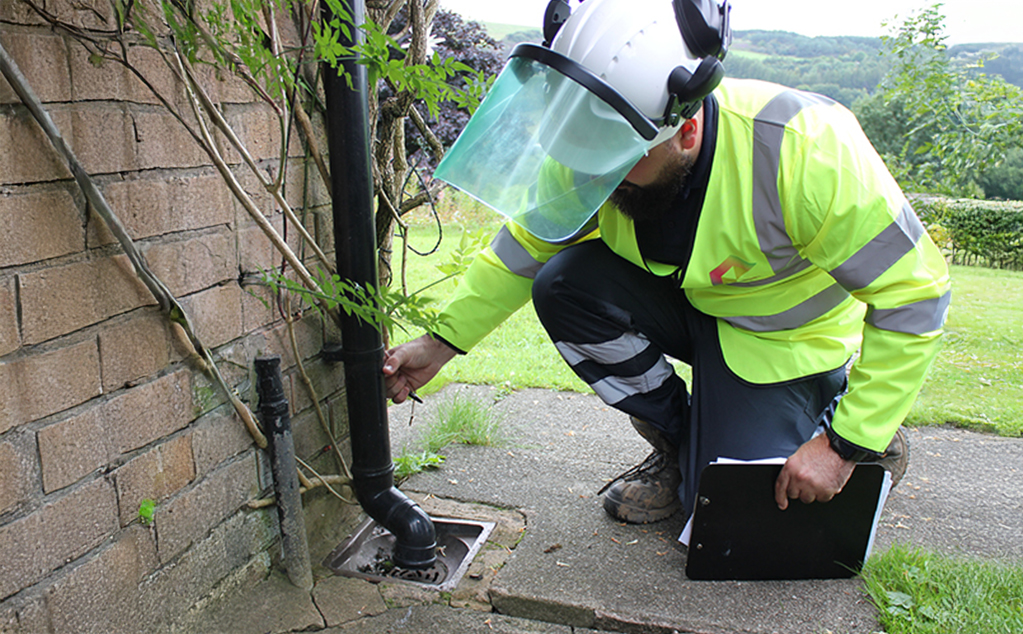
Reasonable maintenance commonly includes:
Insurance companies, like planning authorities, are increasingly expecting flood risks to be mitigated. Insurance providers will expect reasonable action to be taken to reduce the risk of reoccurring surface water flooding events.
In some cases this may include putting in property-level protection. This involves buildings being adapted to prevent water ingress and to increase resilience so, if water does get in, it does least damage.
Planning authorities are also more likely to want property owners to take action to reduce pressure on surface water pipe networks before giving permission for new homes or alternations to current ones.
This includes building in a sustainable drainage system (SuDS), which is a method of managing rainwater at source, reducing surface run-off and the reliance on channelling water into large-scale surface water pipe networks.
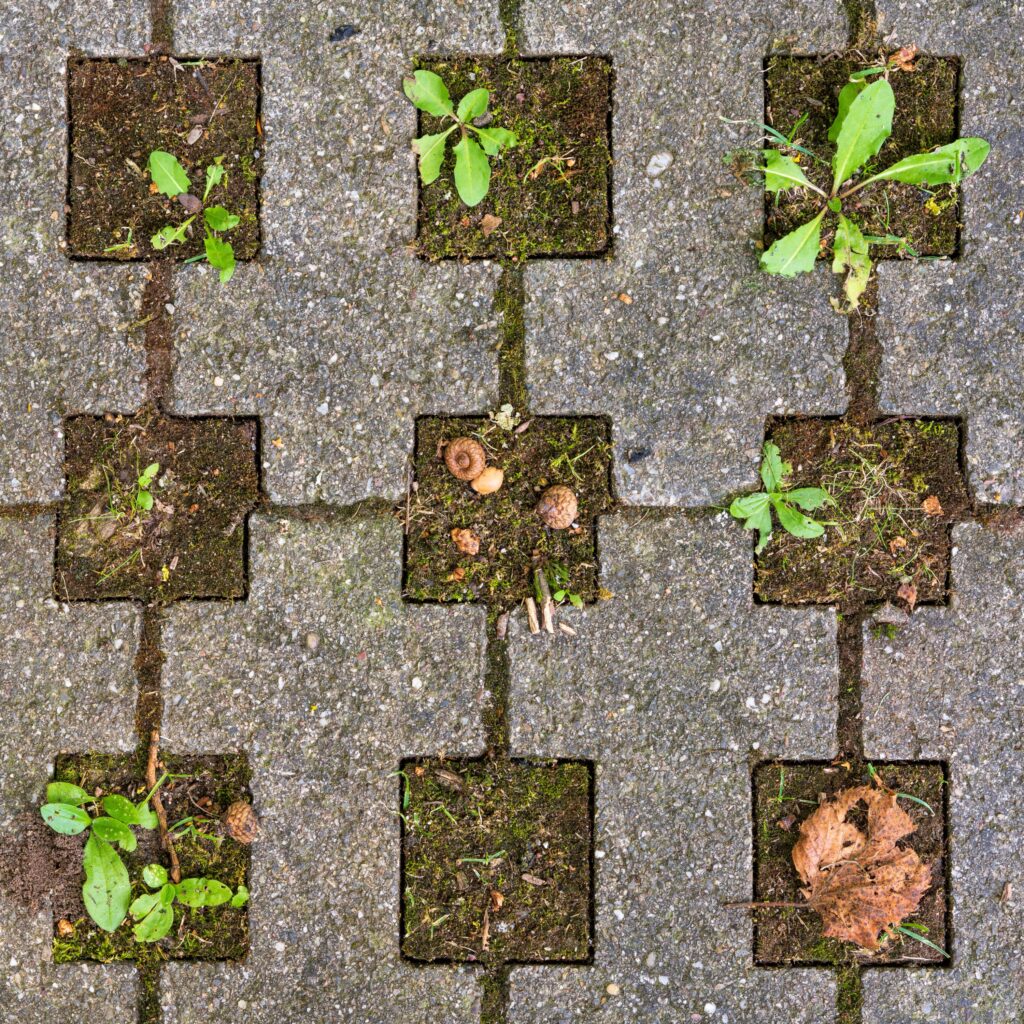
SuDS solutions include installing permeable surfaces that allow stormwater to soak into the ground. Materials and surfacing systems that can be used include:
More expensive solutions can include installing belowground soakaway systems, such as a crate attenuation tank or a subbase attenuation system.
Brad Jackson said: “We’re increasingly asked to provide advice, and carry out work, that increases the resilience of surface water systems and reduces the risk of flooding.
“Our expertise ensures property owners can focus on measures that have the maximum long-term impact, which controls costs, both of the work needed and ongoing insurance cover.”
Catalyst delivers a comprehensive range of services to resolve claims for a growing number of insurance providers, brokers, and loss adjusters.
They include: drainage investigations and repairs (mains and off-mains), water supply pipe repairs and replacement, water leak detection, subsidence investigations, and environmental services.
Telephone: 0333 004 8008
Email: [email protected]
December 08, 2025
After the drought – subsidence and surface flooding risks could rise, warn Catalyst experts
The UK’s extremely dry summer could still create elevated risks for property owners well...
October 31, 2025
Progress on sewer awareness but behaviour tipping point not yet in reach
However, it also shows we are quite some way still from preventing activity that...