August 24, 2026
From subsidence to flash flooding – why insurers are preparing for weather whiplash
The UK is experiencing another summer of extreme weather, but for insurers the immediate...

This summer’s heatwaves, and the climate change behind them, are putting homes and business properties at greater risk from drainage, water supply and subsidence problems.
They are also causing the insurance industry to consider how to best provide the support customers need in a more complicated and costly claims environment.
Specialists like Catalyst Services UK, will provide an increasingly critical service in responding effectively to claims triggered by climate events, said the company’s managing director, Brad Jackson.
He added: “We’ve already entered what looks like being an extended period of change in terms of the risk profiles for millions of properties across the UK due to climate change.
“Our insurance provider clients are working hard to understand how best they can support claims customers. We’re looking to play our part by providing data that helps them understand these new risks.
“We’re also very keen to support claims customers with the best possible advice, so they understand claims decisions, and can best protect their properties as risks emerge and develop over the coming decades.”
Weather extremes created by climate change emphasise the importance of understanding how property risks can be interconnected when responding to insurance claims, says Catalyst Operations Director Paul Duddle, who is also Chairman of the Subsidence Forum.
He explains: “Subsidence, leaking pipes and drainage defects can be different facets of related property issues. It’s why technical expertise matters so much.
“The industry needs to keep building knowledge and capability, including using new technologies, so claims can be investigated properly and progressed with confidence, while data insights are captured.
“At Catalyst, we’re directly responding to this by recruiting claims handlers who can work on the more complex claims we’re seeing. We’re also investing in our Catalyst Training Academy to grow skills internally and share knowledge with the wider insurance industry.”
Catalyst is actively working with technical and insurance bodies on these important trends. As well as supporting Paul’s leadership role in the Subsidence Forum, Brad is an active member of the Insurance Institute of Manchester, and Catalyst engages with other professionals through the I Love Claims networking body.
Teaching and training in universities and colleges will need to be continuously revised to prepare technicians, engineers and insurance decision-makers for the global warming challenge.
Property owners can also be encouraged to play their part by installing water conservation measures, and by being helped to spot faults before they trigger significant damage.
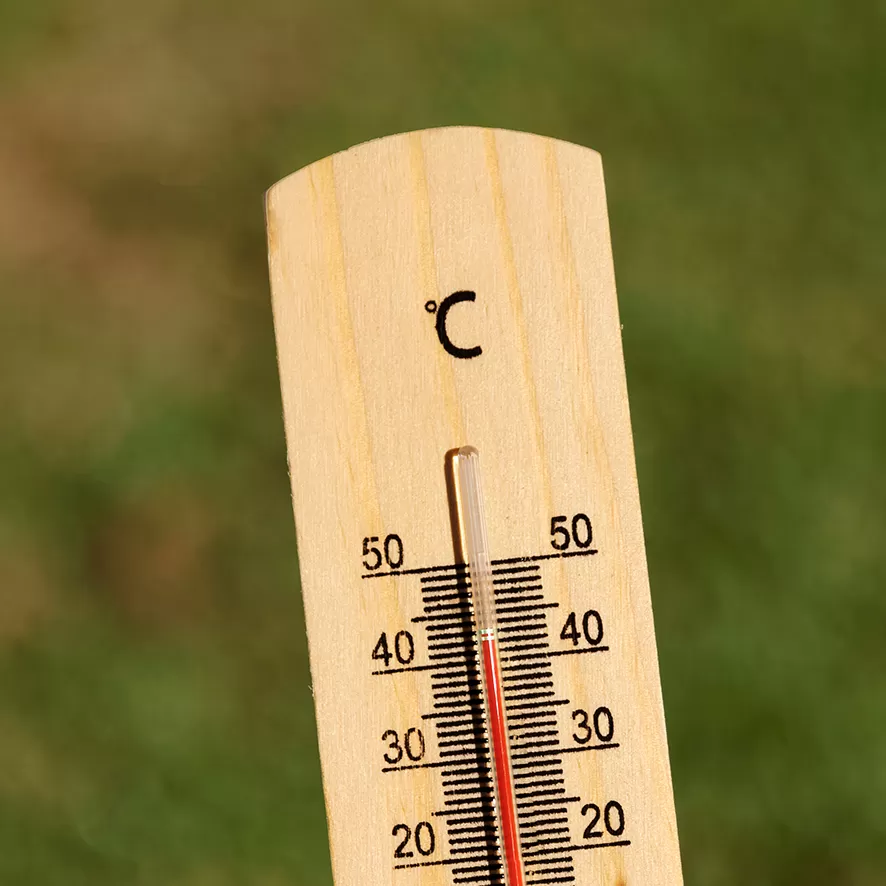
The Met Office’s latest annual report, State of the UK Climate 2025, just published, concludes that what was, just a few decades ago, termed as extreme weather is now “the new normal”.
It shows the hottest day of the year in the south of England is now typically 4.5C warmer than it was in 1961-1990, and the temperatures in the north of England are catching up fast.
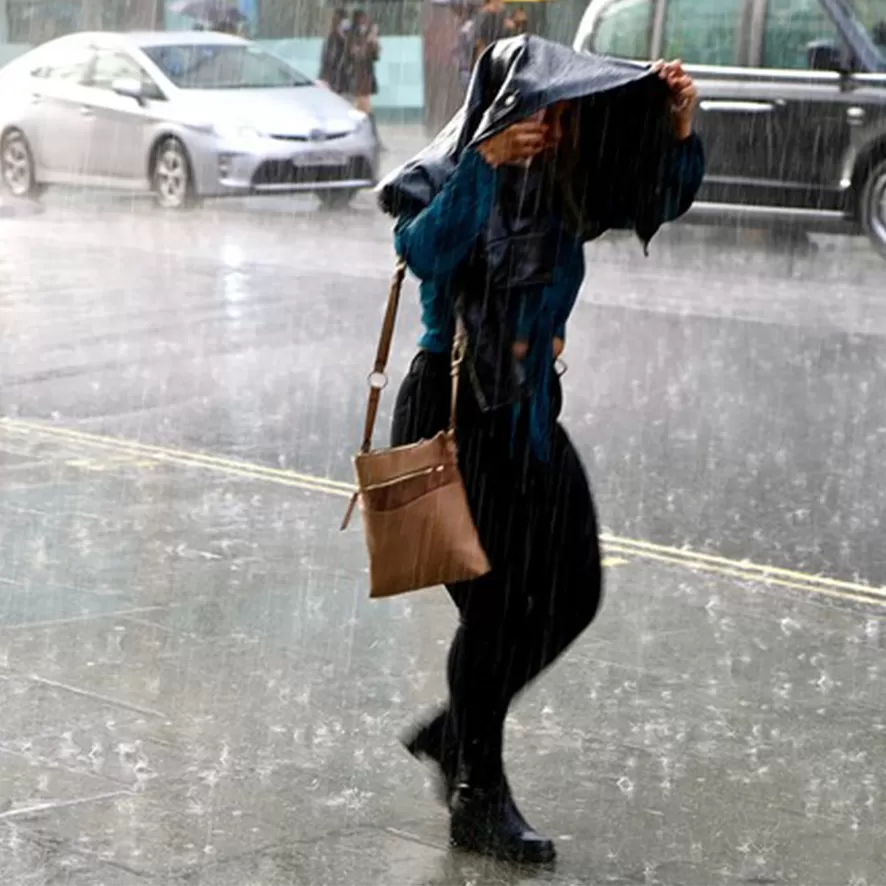
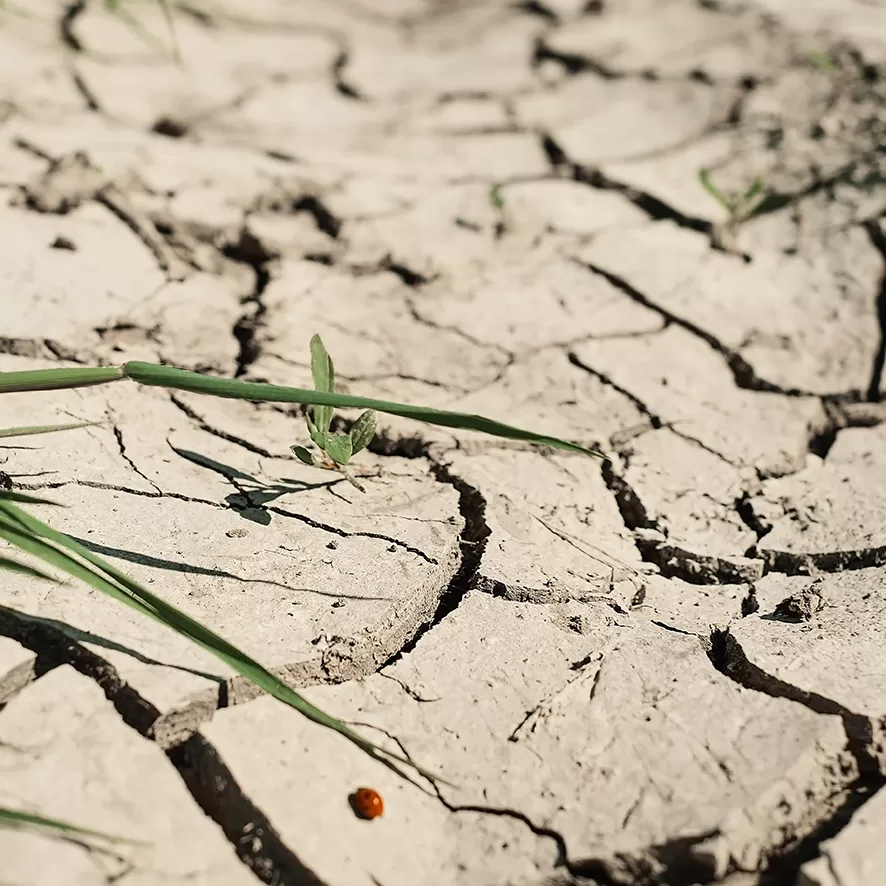
The report states there is clear evidence that the UK is now experiencing the effects of climate change:
These climate changes only reinforce assessments made over the last two years, including by the Environment Agency.
It has identified around 4.6 million properties in England in areas at risk of surface-water flooding, including around 1.1 million in high-risk areas.
Under its climate-change scenario, now being played out:
The assessment notes that surface-water flood risk is higher in cities where drainage systems are less able to accommodate intense rainfall.
There is evidence that the cost and severity of flood-related insurance claims are already rising.

2024
£225 million
2025
£321 million
Increase
38%
2024
£18,750
2025
£30,000
Increase
60%
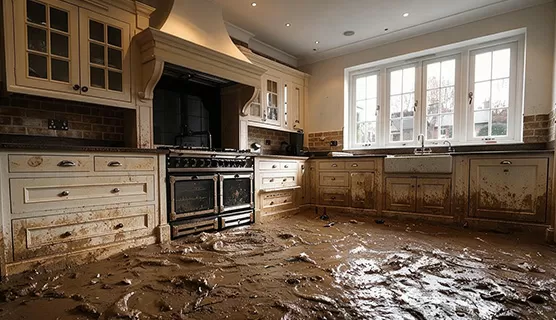
UK insurers paid £312 million for domestic flood claims during 2025, 38% more than in 2024. The average payment to a homeowner rose by 60% to approximately £30,000.
These figures do not prove that climate change caused every claim, but they show the increasing financial impact of periods of severe weather.
The increasing flooding risks already identified by the Environment Agency could impact claims volumes:
In 2025, Flood Re, a government-backed and insurance industry-funded scheme to improve the availability and affordability of flood insurance, reported a changing claims environment.
The number of policies transferred into the scheme rose by 20% to 346,200 in 2024/25. It also saw more frequent and severe claims, including an increase in very large losses exceeding £100,000.
As exposure to risk and repair costs rise, insurers are likely to place greater importance on property-level information, including:
Household and business drainage systems are now increasingly tested by weather extremes – high rainfall in winter (plus short burst of extreme rainfall at other times), and prolonged dry spells in summer.
Impacts include:
Signs of these drainage problems to look out for include:
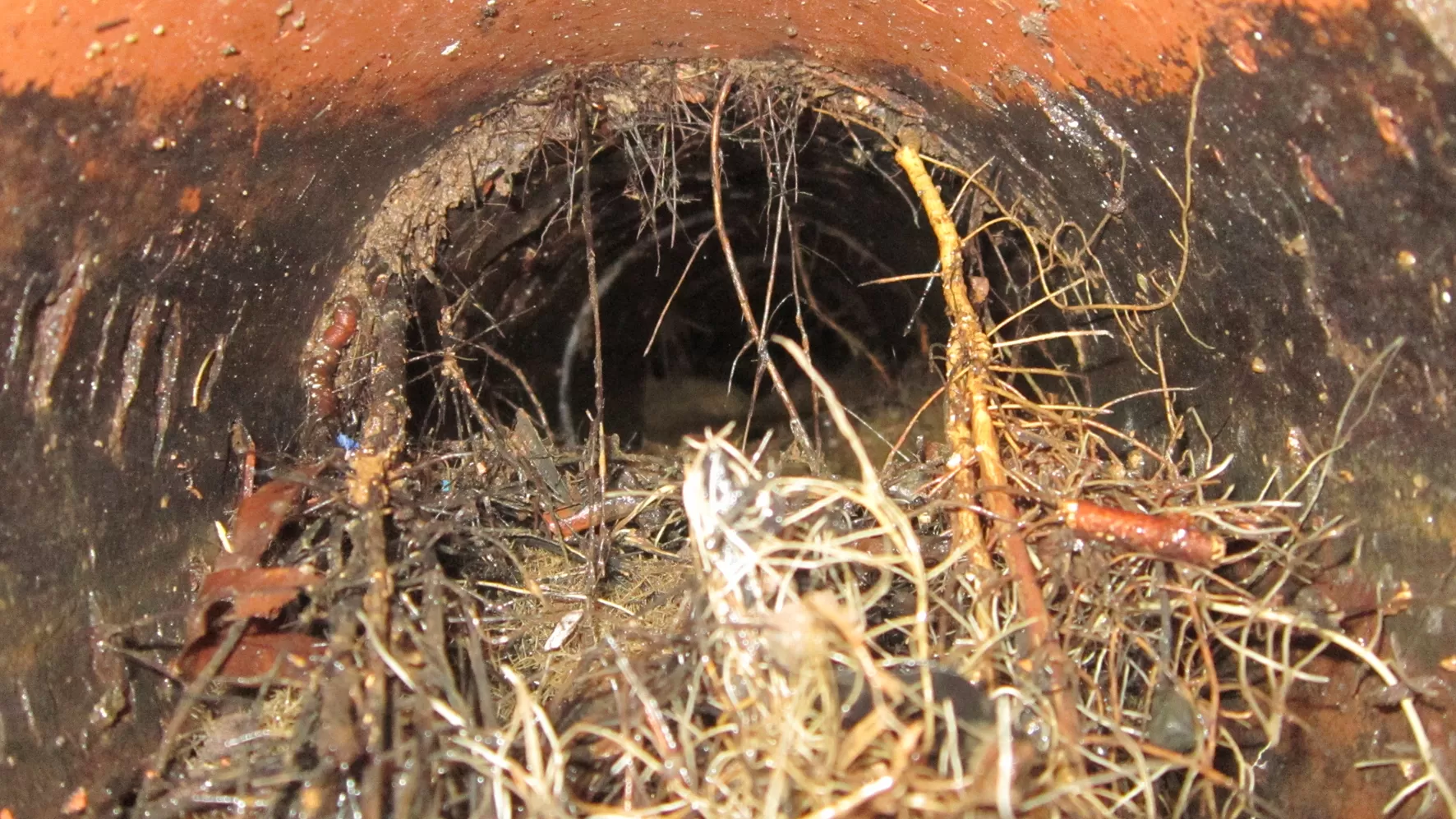
What appears to be a simple blockage may, in fact, point to a larger drainage defect, such as root ingress, cracking, displacement or drain collapse.
Where drainage issues are contributing to damage or claim concerns, Catalyst’s drain services can help identify the cause and recommend the right remedial action.
Water supply pipes can also be affected by prolonged heat, especially where buried pipework is older or already weakened.
As the ground dries and shifts, additional strain can be placed on pipes and joints.
Increased water demand during warm weather can put extra pressure on water pipes, either triggering leaks or making them more obvious, though rapid surface evaporation can also mask visible signs of leaks.
Signs of water pipe problems to look out for include:
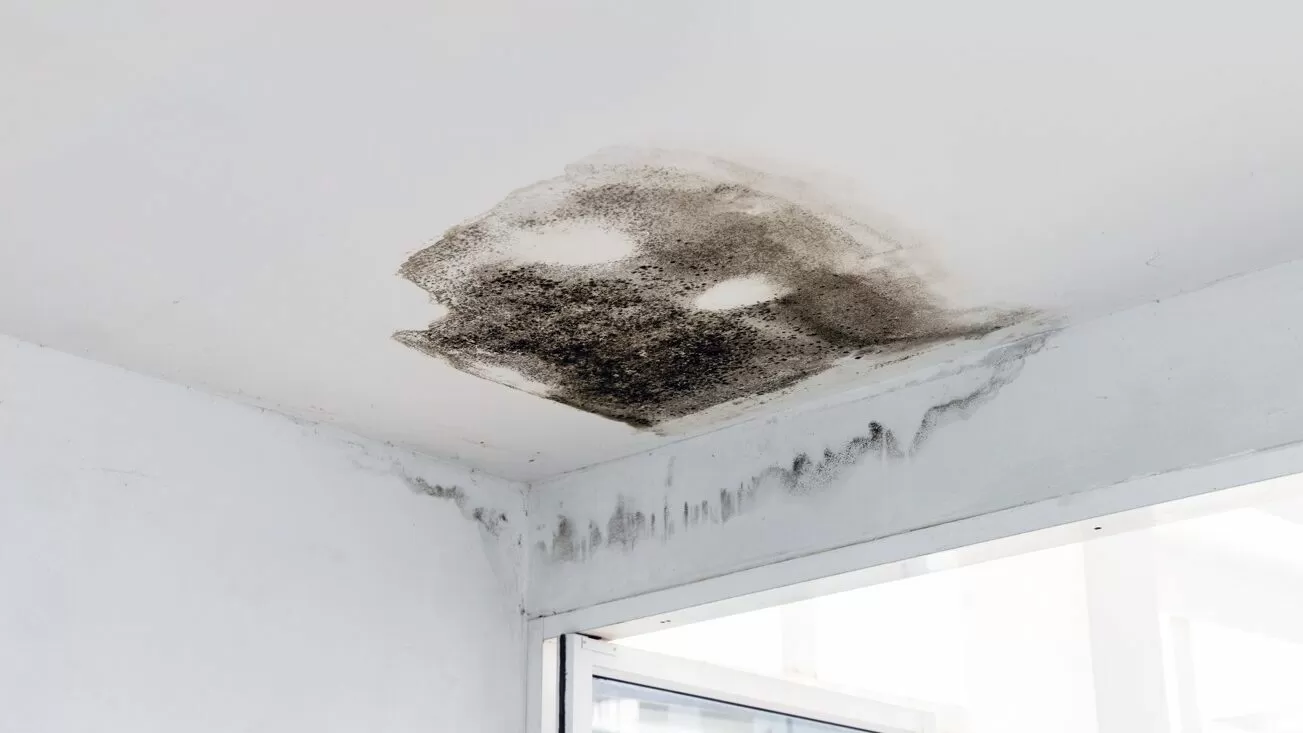
Insurer claims data suggests that escape-of-water incidents are not confined to winter.
Aviva found that 25% of its escape-of-water claims occurred between July and September, with July recording the second-highest number of claims in 2025 after January.
If you suspect an issue with buried water supply pipes, Catalyst’s water supply pipe services and leak detection services are designed to investigate, repair and replace affected assets.
Or you can look at the Catalyst leak detection guide for detailed advice on the causes of leaks, plus how they’re detected and repaired.
Subsidence is the process whereby ground moves downwards, resulting in building foundations becoming less well supported, causing damage to buildings.
It is most commonly associated with clay soils, which shrink during hot, dry weather, and expand in winter when it rains again.
Climate change is expected to cause cases of subsidence to increase, become more severe and become spread over a wider geographical area to the north and north-west of the UK.
Subsidence surges occur when this process of soil shrinkage and expansion is at its most extreme. Climate change is expected to make these subsidence surges more frequent and more extreme.
Signs of subsidence to look out for include:
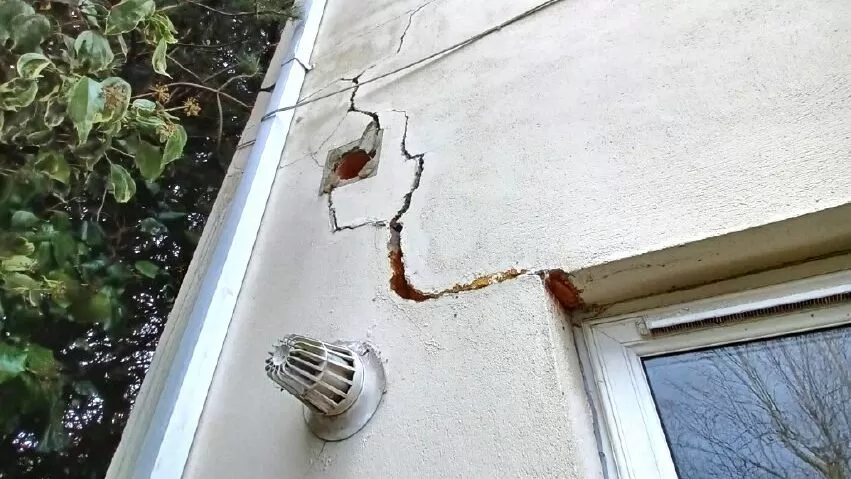
Not every crack that appears in summer is caused by subsidence, but hot weather can make movement more noticeable and highlight the need for closer investigation.
If hot weather has raised concerns about structural movement, Catalyst’s subsidence investigation services can help establish the cause and support the right next steps. Our three-part Catalyst Subsidence Guide also has valuable information and advice.
Brad Jackson says: “This summer’s heatwaves are a reminder that weather-related claims pressures are evolving. Hot weather can influence subsidence, water supply pipe failures, hidden leaks and drainage defects. Climate change is making these patterns more important for the insurance industry to understand and respond to.
“For insurers, loss adjusters and property professionals, the priority is to recognise risks early and investigate them properly. This always supports better decisions, better communication and better claim outcomes. That’s what we aim to deliver.”
Catalyst delivers a comprehensive range of services to resolve claims for a growing number of insurance providers, brokers, and loss adjusters.
They include: subsidence investigations, drainage surveys and repairs (mains and off-mains), water supply pipe repairs and replacement, water leak detection, and environmental services.
August 24, 2026
From subsidence to flash flooding – why insurers are preparing for weather whiplash
The UK is experiencing another summer of extreme weather, but for insurers the immediate...

February 12, 2026
Extreme weather is the new normal – this is what it means for drainage maintenance
Prolonged rainfall this winter is a sign of a pattern of weather we must...