What causes internal flooding and sewage spills?
Internal flooding can occur without warning, particularly when water supply systems, internal plumbing or drainage networks fail. Understanding the source is an important part of managing the incident and reducing the likelihood of further damage.
Water supply pipe bursts and leaks
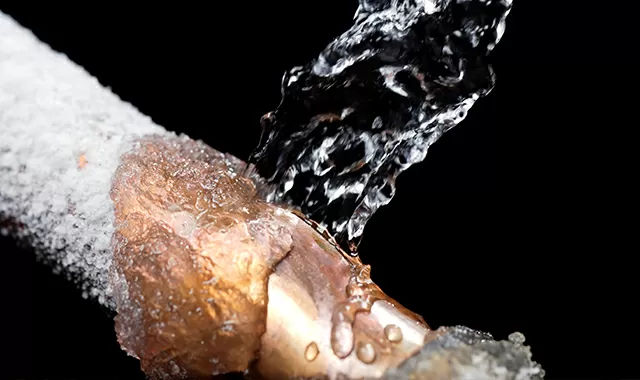
Water supply pipes often fail because of ageing, corrosion, freezing temperatures, physical damage or defective joints. A burst mains supply pipe or leaking connection can release substantial volumes of clean water into a property, damaging floors, walls and contents.
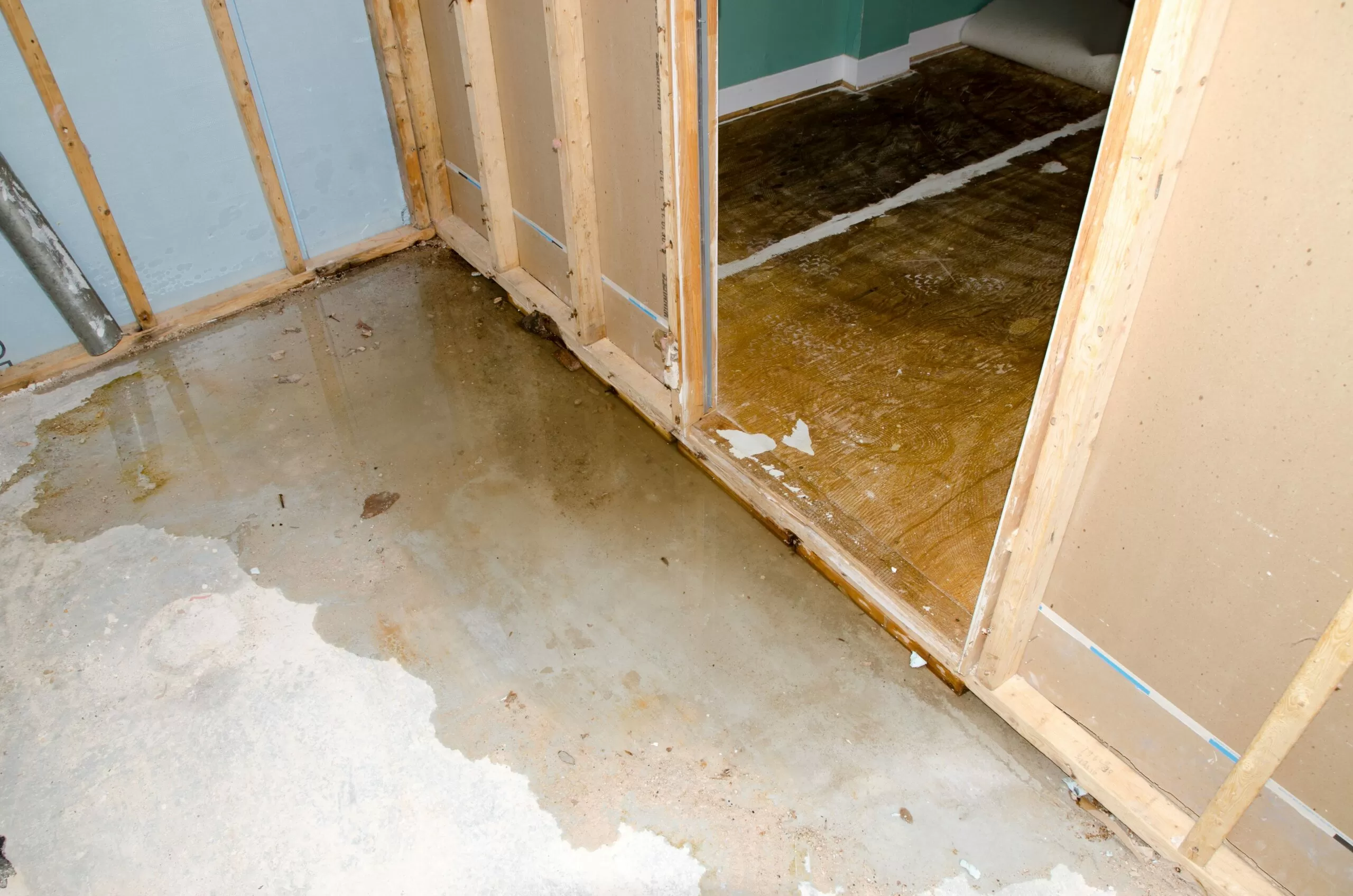
Where the leak is concealed beneath floors or within walls, water may spread through the building before the problem becomes apparent.
Internal plumbing and water tank failures
Failures involving internal pipework, plumbing fittings, valves, joints, cisterns, hot and cold water storage tanks or associated equipment can result in sudden or prolonged water escapes.
An overflowing or ruptured storage tank, particularly in a loft or upper floor, can allow water to penetrate ceilings, insulation, walls and rooms below, potentially causing extensive damage across multiple levels.
Blocked drains and sewer back-ups
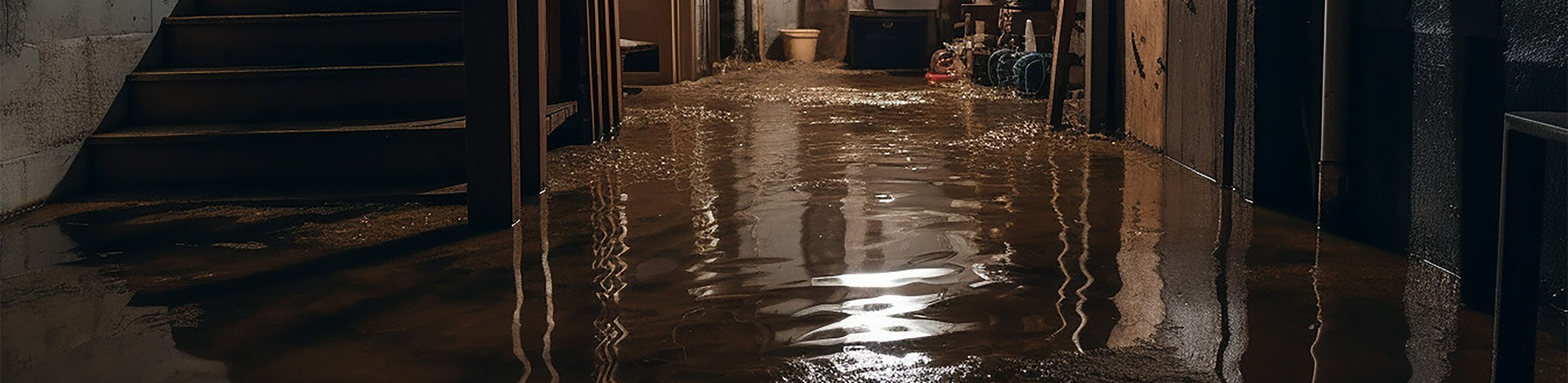
Wastewater flows can be restricted or blocked by accumulations of fat, grease, wipes, debris and tree roots. Sewage may then back up through toilets, sinks, showers or floor drains, flooding internal areas.
Heavy rainfall and sewer surcharging
Drainage networks can become overwhelmed during periods of intense rainfall. Sewers and surface water pipes may surcharge, forcing wastewater back towards connected properties. This is a particular risk with combined sewers.
Septic tank and private drainage failures
Properties relying on septic tanks or private wastewater treatment systems may experience internal sewage flooding when equipment fails, drains become blocked or systems are unable to discharge effectively.