May 21, 2026
Skills renewal vital to counter subsidence threat, Catalyst’s Paul Duddle tells conference
With more subsidence data available than ever before, having the right expertise to use...
Catalyst provides specialist leak detection services for insurers, loss adjusters, commercial clients, and property owners who need hidden water leaks located quickly and accurately.
We support trace and access investigations, escape of water claims, underground pipework issues, and mains water leak investigations using proven diagnostic methods to identify the source of the problem and support the next stage of repair or claim handling.

Request a leak investigation
Talk to our team about insurance claim support 0333 004 8008

Water leaks are not always visible. Hidden leaks can sit beneath floors, behind walls, within external pipework, or across underground water services while continuing to cause damage, disruption, and claim costs.
Our specialist water leak detection service is designed to locate hidden leaks accurately, reduce unnecessary disruption, and provide clear findings for the next step.
We support a wide range of projects, including:
Trace and access leak detection is the process of locating the source of a hidden leak so repairs or claim-related access can be carried out with as little unnecessary disruption as possible.
Catalyst supports insurers, loss adjusters, and claims teams with trace and access leak detection services that help establish the source of a leak with minimal disruption where possible.
Our role is to trace the cause of leakage, identify the point of failure, and provide clear reporting that can support claim progression, repair planning, and communication between stakeholders.
This is particularly valuable for:
By combining practical site knowledge with specialist detection methods, we help reduce delay and avoid unnecessary exploratory work.


Talk to the Catalyst team about trace and access support:
Call Catalyst 0333 004 8008
Catalyst is not just a leak detection service provider. We support insurers and loss adjusters with a wider claims fulfilment service that includes drainage and off-mains drainage investigations, water supply pipe repair and replacement services, and subsidence investigation services.
This capability means our leak detection service sits within a broader understanding of how property damage claims progress, what insurance clients and their customers need from site investigations, and how fast, accurate reporting can help move claims forwards.
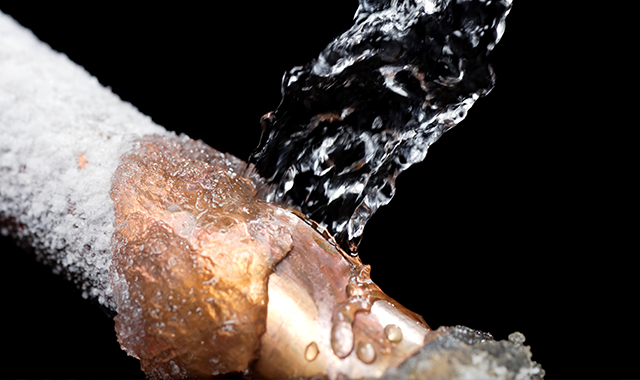
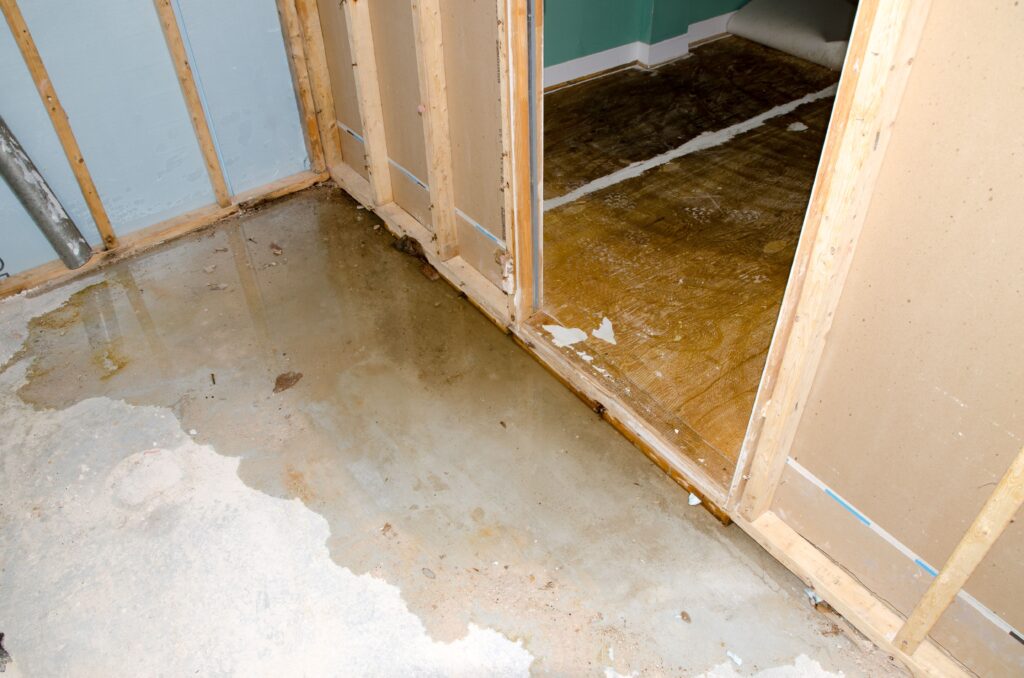
Escape of water claims often require more than a visual inspection. Water may travel away from the point of failure, appear in a different part of the building, or present as intermittent dampness that is difficult to isolate.
Our escape of water investigations help establish the origin of the leak and provide a clearer basis for repair planning, claim handling, and further technical investigation.
Where required, we can support claims teams and property stakeholders with evidence-led reporting, practical findings from site, and a clearer understanding of the damage mechanism affecting the building.
For insurance-led and commercial work, clear reporting matters. Our findings are used by claims and loss adjuster clients to:
This supports better decision-making for insurers, loss adjusters, contractors, and property owners.
Our detailed and accurate technical reports can help demonstrate the outcome of trace and access investigations, support decision-making about escape of water claims, and reduce uncertainty around the next steps in protecting buildings.
We use non-destructive and minimally invasive methods that help refine the search area before the most effective costed repairs are recommended and carried out.
The right leak detection method depends on the property, the pipe material, the system layout, and the type of leak suspected.
Depending on the situation, our investigations may involve:
Using the correct leak detection method at the right stage helps reduce disruption, improve confidence in the diagnosis, and create a more efficient route to repair, claim progression, or further investigation.

Do you know the six main causes are of an internal water leak? What kinds of damage a water leak can do? Or how a leaking water pipe can be repaired?
The answers to these questions and many more can be found in the Catalyst Water Leak Detection Guide.
If you have concerns about water leaks, our guide will provide you with accurate, up-to-date, helpful information.
Our team can advise on the most suitable next step for insurers, commercial properties, and private clients who need the source of a leak identified accurately.
Leaks are not limited to plumbing systems within a building.
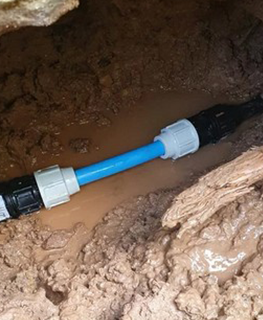
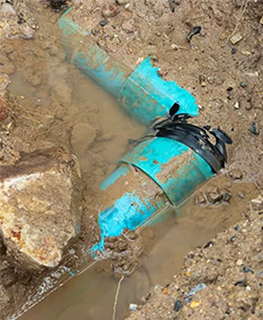
We also investigate hidden leaks affecting underground pipework, incoming water supplies, and external services that may be contributing to water ingress or unexplained water loss.
These can include:

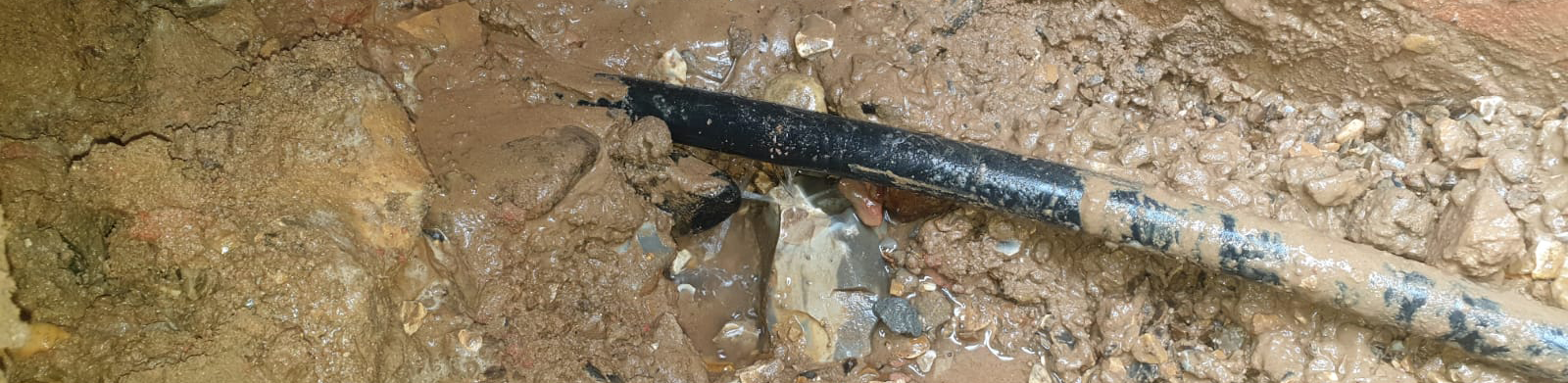
Underground water leaks

External supply issues

Water pressure problems

Unexplained water usage
Catalyst also investigates water leaks in wastewater and drainage pipes, which can cause damage to the fabric of buildings and can be a contributing factor in the development of subsidence.
Damaging leaks can be caused by a range of drainage defects, including:
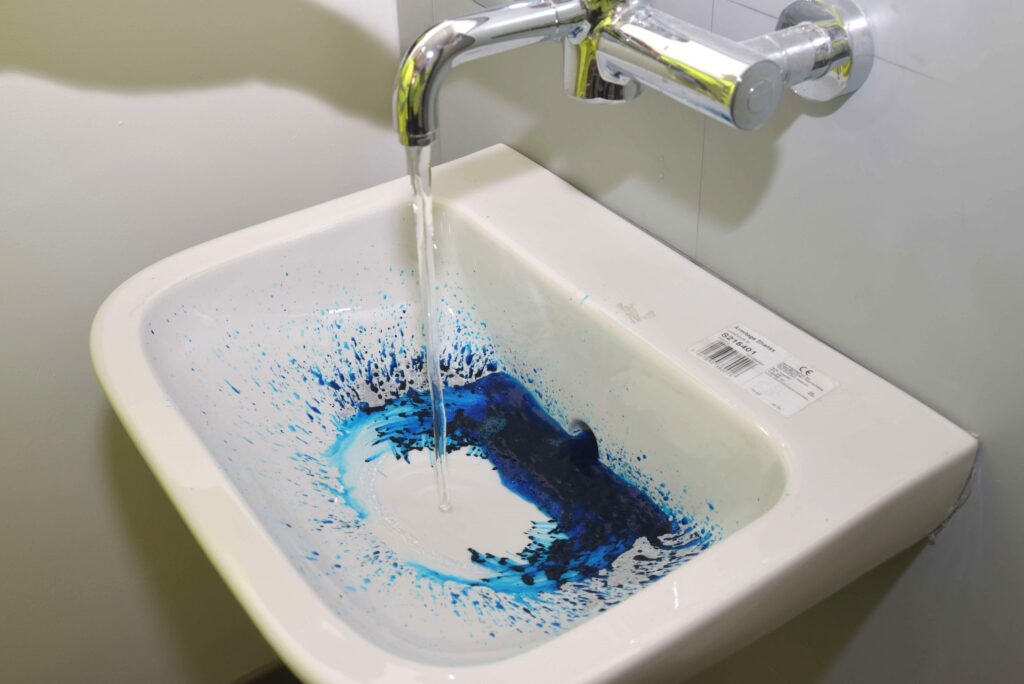
These investigations often need a more specialist approach to pinpoint the leak source accurately and avoid unnecessary excavation. Our drainage teams use a range of methods to identify these defects, including CCTV drainage surveys, CAT and Sonde investigations and drain flow analysis, for example using dye tracing to pinpoint these detects so they can be repaired.

If you suspect a leak affecting underground pipework, incoming supplies, or external services, our team can assess the system, identify likely leak locations, and advise on the next practical steps.
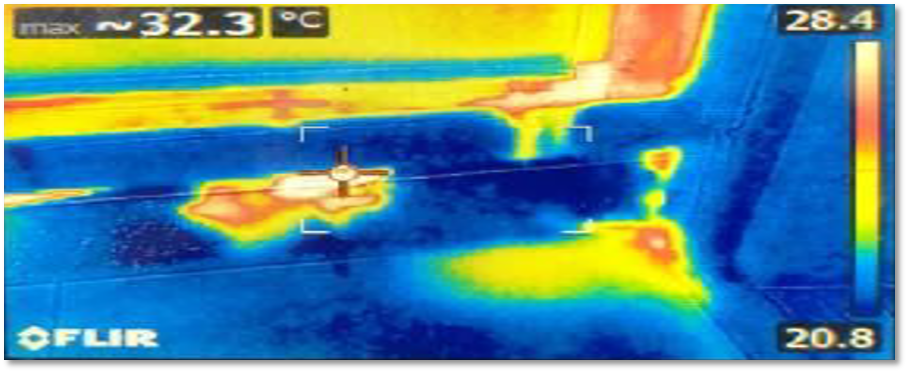
Our engineers use sophisticated thermal imaging cameras to locate leaks in hot water pipes. The infrared inspection cameras are sensitive enough to identify the location of leaks, even beneath concrete, and moisture than cannot be reached with moisture meters.
Thermal imaging cameras can also be used to inspect large areas of a building very quickly, identifying temperature changes across a structure that could be a sign of a leak. They also help detect leaks in central heating and underfloor heating systems.
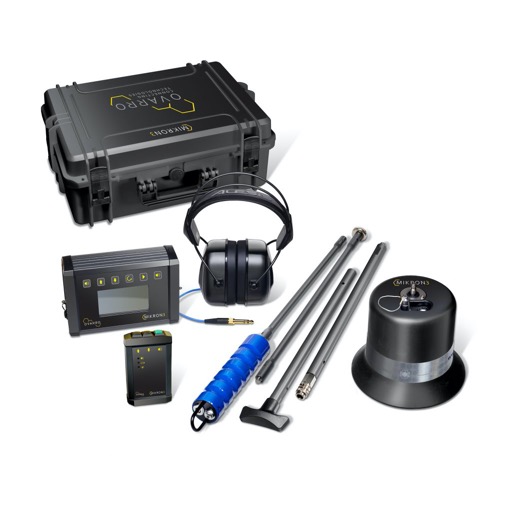
Acoustic profiling is the process of using advanced microphones, combined with digital acoustic software, to identify the noise created by a water leak that may be many feet underground or under built structures.
The noise of the leak is amplified, processed and filtered, allowing our professional water leak engineers to more easily assess its location and severity. The most appropriate counter-measures can then be planned.

We can look for leaks by introducing gas into the water pipe, in a process called tracer gas analysis. The gas escapes from the buried pipe at the point of the leak and rises to the surface, even through asphalt and concrete, where it is picked up by highly-sensitive gas sensors.
The gas used is hydrogen, combined safely with inert nitrogen. Tracer gas analysis can accurately and quickly locate a leak along a long run of water pipe, preventing the need for costly excavation.
Correlation leak detection uses very sensitive devices that identify the frequency of the sound made by a leak. Two correlation detectors are used to pinpoint the location of the leak.
They do this by comparing the signal delay, sensor distance and the sound velocity, identifying the most likely location of the source of the sound made by the leak.
Our leak detection engineers can use a simple non-toxic water soluble dye to trace the flow of water through a system and where it is escaping. The method can be used to identify leaks in domestic and commercial water systems, and in swimming pools.
Catalyst engineers are also often called in to investigate cases of damp, using damp meters. These can be used to detect all damp and condensation problems, which may be associated with water leaks.
Types of damp our water engineers investigate include: penetrating damp, caused by water seeping through walls; condensation damp, caused by moist air; and rising damp, caused by ground water.
Our leak detection engineers use a range of digital inspection cameras to look into pipes and hard to reach locations looking for pipe damage itself or the tell-tale signs of escaping water.
These include ‘look and see’ mini cameras on flexible probes for looking into cavities and behind pipework.
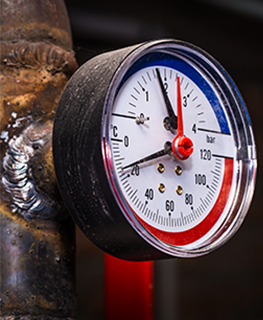
Out Catalyst team will isolate a section of pipework and use a gauge to monitor pressure over time. The experts can then determine if water is escaping based on any drop in pressure.
Types of pressure testing include: Hydrostatic testing, filling and pressurising the system with water; or Pneumatic testing, pressurising the system with dry air or nitrogen.

We will arrange for fast and safe removal of flood water left behind by a water pipe burst. If necessary, this can involve the installation of pumps to remove water from basements, and collection of water using vacuumation tankers.
Trace and access leak detection is the process of locating the source of a hidden leak so that appropriate access can be made for repair or claim handling. In insurance-led cases, it helps establish where the leak originates and supports the next stage of investigation or remedial work.
Yes. Catalyst supports insurers, loss adjusters, and other stakeholders with investigations that help identify the source of a leak, reduce uncertainty, and provide reporting that can support claim progression.
Specialist leak detection is often needed when the source of water is hidden, intermittent, or difficult to confirm through visual inspection alone.
In escape of water claims, water may travel away from the point of failure, appear in a different part of the building, or continue causing damage without the source being obvious. In these cases, a more targeted investigation can help identify the cause of the leak, reduce unnecessary exploratory work, and provide clear findings for the next stage of repair or claim handling.
An escape of water investigation is used to identify where unwanted water is coming from within or around a property, especially where the source is hidden, intermittent, or difficult to confirm through visual inspection alone.
Underground water leaks may be identified using a combination of specialist methods, depending on the site and system involved. The aim is to narrow the likely leak location accurately before repair work or excavation begins.
Yes, some leaks can be identified by a plumber through visual checks and standard tests, but hidden, intermittent, or underground leaks often require specialist leak detection equipment and a more targeted diagnostic approach.
Yes. Catalyst provides detailed reporting to support insurers, loss adjusters, and other stakeholders involved in leak detection, trace and access, and escape of water claims.
Helping business and domestic customers every day of the year
May 21, 2026
Skills renewal vital to counter subsidence threat, Catalyst’s Paul Duddle tells conference
With more subsidence data available than ever before, having the right expertise to use...
April 21, 2026
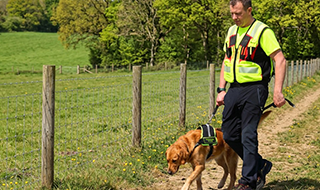
Sniffer dogs, hidden leaks and why detection is not simple
Now is the time of year when water leaks can become more apparent. As...
April 08, 2026
Dom wins first Catalyst Kudos Award of 2026
Property Claims Handler Dom Weiss has been named the first winner in 2026 of...