Drainage misconnection risks explained
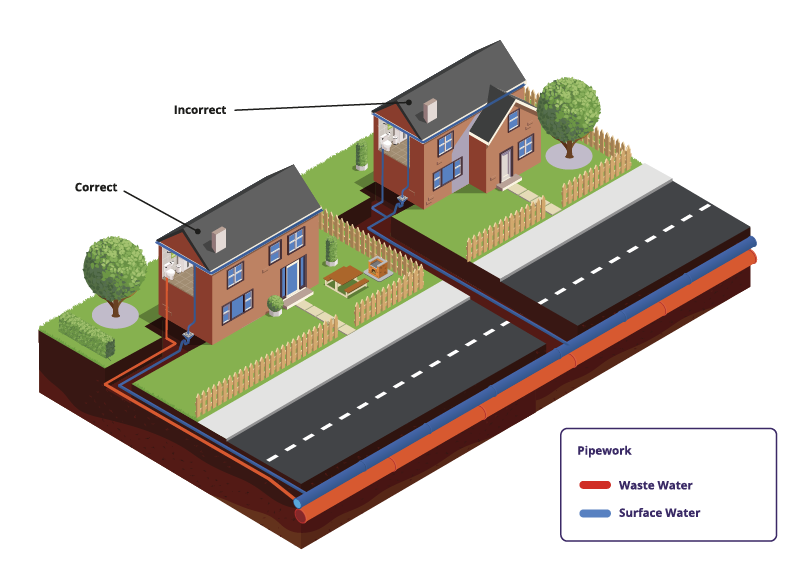
Where possible, surface water drainage systems and foul water drainage systems are kept separate. This is to prevent foul water (sewage) from entering and polluting natural water courses.
It is also to prevent surface water (generated by rainfall) from entering the sewage treatment system, where it would:
- Needlessly increase sewage treatment costs.
- Potentially, overload the sewer and sewage treatment system, increasing the risk of pollution incidents
In some cases, especially in urban areas with older sewer systems, surface water (stormwater run-off) and sewage enters the same drainage system, through combined sewers.
What is a drainage misconnection?
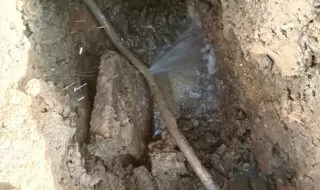
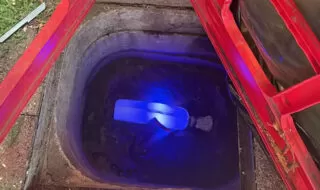
Where surface water drainage systems and sewage systems are designed to be separated, they can become inadvertently or deliberately connected together through what are called misconnections.
Drainage misconnections can involve:
- Foul drains being misconnected to surface water pipes
- Surface waterpipes being misconnected to foul drains
What are the common ways drainage misconnections can happen?
- Construction workers can mistakenly connect a sewer for new homes or even a whole housing estate to a surface water culvert.
- When modifying a property, perhaps when building an extension or adding a downstairs bathroom, a builder can inadvertently connect a new sewer pipe to an established surface water pipe.
- Another common error is to move a washing machine into a garage or outhouse and connect its effluent hose to a surface water pipe, when the wastewater should be disposed of in a sewer.