Sewage treatment plants explained
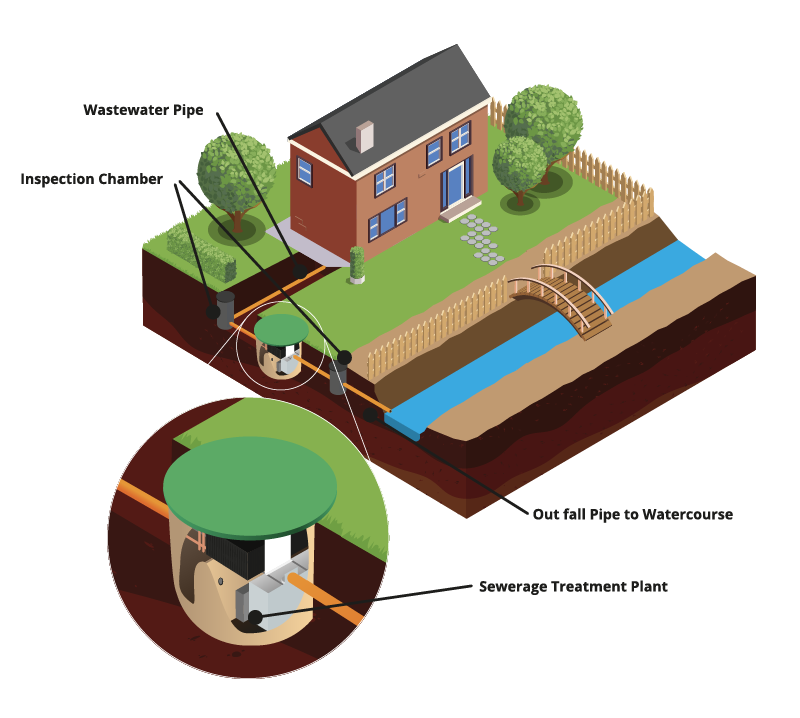
Sewage treatments plants are off-mains drainage systems that incorporate additional technology for processing wastewater effluent that makes it cleaner and, therefore, less of a risk to the environment.
They work in a similar way to septic tanks in that sewage goes through a gravity fed filtration system, with sludge falling to the bottom of the tank.
The effluent then goes through a final process in which bacteria digests the harmful organic matter in the effluent, which greatly reduces the environmental risk it poses.
The tank can be charged with the bacteria when the tank is installed. However, this process is not essential. If the tank is correctly sized, it will achieve the natural balance of bacteria required within two weeks of being used for the first time.
The digestion process is encouraged by compressed air being pumped into the chamber in a process called aeration.
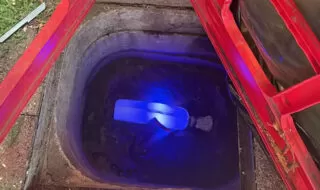
Another way effluent is cleaned in a sewage treatment plant is through the installation of an ultraviolet light disinfection unit. The wastewater is passed over a UV light array, which kills bacteria and other bugs.
Once effluent has been processed in either of these ways, as long as the off-mains system complies with general binding rules, the effluent can be discharged directly into a water course or into the ground through a drainage field.
Need off mains drainage services?